Virtual try-on · Conversion · Buyer confidence
How virtual try-on builds buyer confidence when shopping online
Shoppers hesitate when they can't picture a product on themselves. Why that doubt stalls sales, and how virtual try-on answers it honestly.
· 4 min read
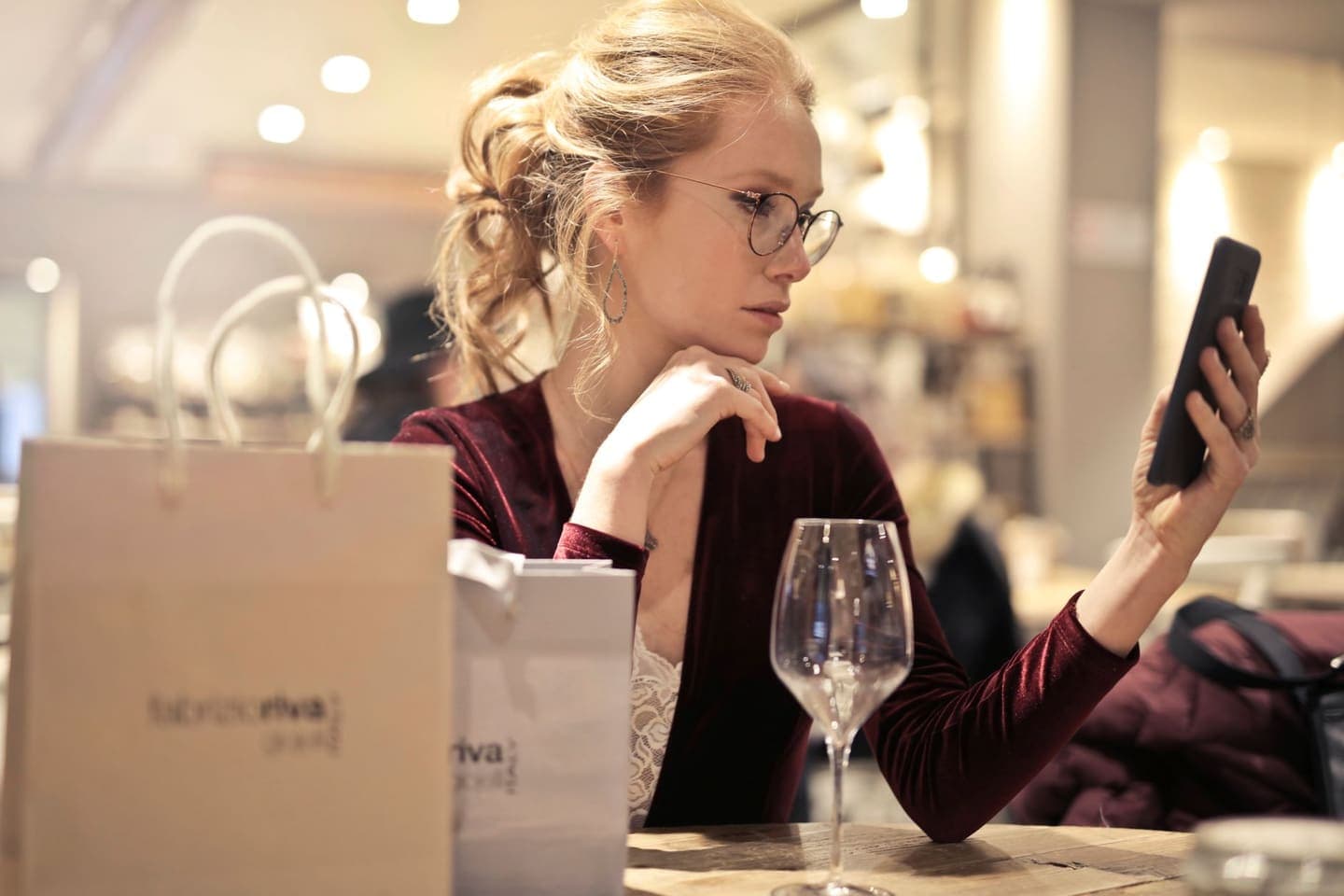
Most online shoppers who leave a clothing or jewellery product page haven't decided against the product. They just haven't decided for it. They like it, they can afford it, and they still close the tab, because one question is left unanswered: “will this look good on me?”
That question is what buyer confidence comes down to in fashion. In a shop, a mirror answers it in seconds. Online, it's the one thing your product page has never been able to answer, however good your photos are. Virtual try-on is the first tool that can, and understanding why helps you use it well.
Why shoppers hesitate, even when they like it
- The model isn't them. A dress on a tall model with a different skin tone tells a shopper very little about how it will look on their body and their skin.
- Colour is hard to trust. Screens, filters and studio light all shift it, and “it looked different online” is one of the most familiar complaints in fashion.
- Returns are a hassle. Even with free returns, the shopper pictures the trip to the post office, the wait for the refund and the risk it never arrives.
- Jewellery is small and personal. A ring on a model's hand says nothing about how it sits on theirs, or whether a pendant is too big for their neckline.
Each of these is a doubt, not a dislike. The shopper wants to buy. They're waiting for a reason to feel sure, and if they don't get one, many of them wait forever.
What buyer confidence actually looks like
A confident buyer is someone who can predict how they'll feel when the parcel arrives. Everything on a good product page serves that prediction: the size guide predicts fit, reviews predict quality, the returns policy predicts what happens if they're wrong. The one prediction nothing has covered is how it will look on them. That's the gap virtual try-on fills.
How virtual try-on answers the question
With a try-on button, the shopper adds a photo of themselves and sees your product on them, in their skin tone, on their build, in about fifteen seconds. It changes the product page in four ways:
- It makes the product personal. They aren't judging a model any more, they're judging themselves in it, which is the decision they actually have to make.
- It answers colour and print. Whether a mustard top suits warm or cool skin is exactly the kind of question a try-on answers better than any model photo.
- It keeps them on the page. Trying something on is doing, not browsing. The shopper is engaged with your product instead of comparing tabs.
- It gives them something to share. A picture of themselves in your dress is easy to send to a friend for a second opinion, and that friend sees your product too.
Confidence only lasts if it's honest
A try-on is a picture, not a measurement. It shows how a colour and style suit someone. It doesn't know their waist size or how a fabric stretches. If shoppers think it's telling them the fit and the fit is wrong, you've traded a hesitation for a return and lost their trust in the bargain.
- Put the size guide right beside the try-on button, and say plainly that try-on shows the look and the size guide shows the fit.
- Never edit or retouch a try-on you show in ads to make the product look better than it is.
- Tell shoppers what happens to their photo. One line, such as “Your photo is used once and not kept”, does more than a privacy policy nobody reads.
Clara's try-on works this way by design. The shopper confirms the photo is of them before choosing it, the photo isn't stored, and both the upload and the result are checked so the tool can't be misused to dress someone without their consent.
Other confidence signals to pair with it
- Reviews that mention fit and colour, not only stars. Ask buyers: “How was the size?” and “Was the colour as expected?”
- Model measurements and size worn under every model photo.
- Photos of the product from more than one angle, including a close-up of the fabric or stones.
- A clear, short returns policy near the price, not hidden in the footer.
- Fast answers to questions. A shopper who asks on WhatsApp or in your DMs and hears back in minutes is more likely to buy.
How to measure buyer confidence
You can't measure confidence directly, but you can measure what it changes. Compare the same products before and after adding try-on, over the same length of time:
- Add-to-cart rate on the product page.
- Conversion rate on those products.
- Returns marked “didn't suit me” or “not as expected”.
- Pre-sale questions about how something will look.
If shoppers who use try-on buy more and send back less, it's doing its job. If they use it and still hesitate, look at what else they're unsure about, usually fit or delivery, and answer that next.
Turn your next take into a video people finish.
Captions timed to every word, a pinned hook and a tighter edit, all from the footage you already have.
Start free