UGC marketing · UGC · Video ads
UGC marketing: how to plan, brief and run UGC videos that sell
A step-by-step UGC marketing guide: choosing creators, writing the brief, scripting hooks, testing ads and measuring what works.
· 4 min read
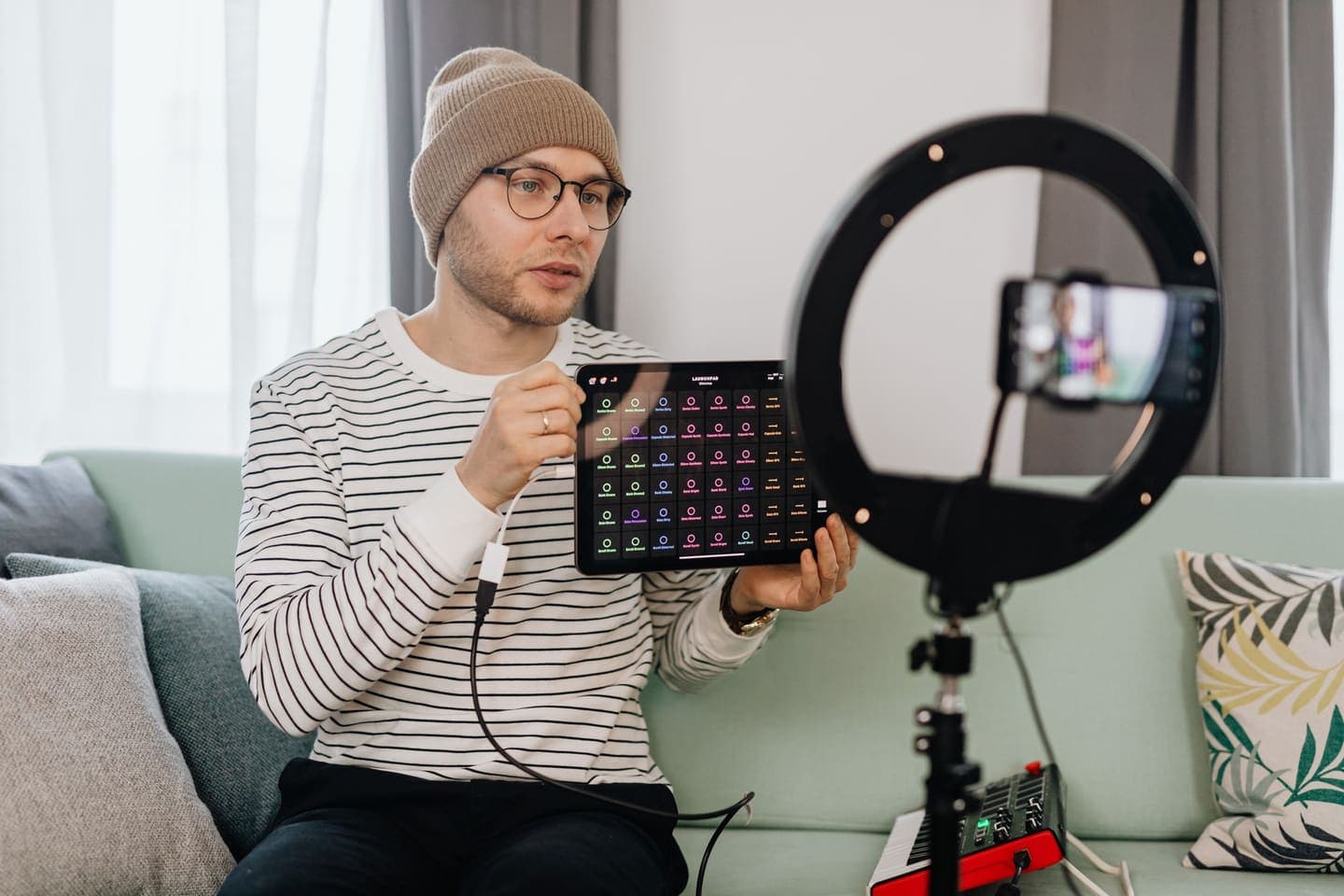
UGC marketing is using videos made by real people, customers or paid creators, as the core of how you market a product. Done well, it turns “here's our product” into “here's what it's like to own it”, which is the question every buyer is really asking.
Done badly, it's a pile of videos that all say the same thing in the same way. The difference is almost entirely in the planning, so that's where this guide spends its time.
1. Start with one message per video
Before you think about creators, write down the reasons someone buys your product. Not features, reasons. “It doesn't leak in my bag” is a reason; “leak-proof lid” is a feature. Each reason is a separate video. A UGC video that tries to say three things says none of them.
The problem: “My coffee was always cold by the time I got to work.”
The proof: “I left it in the car for six hours. Watch.”
The identity: “Things I carry every single day as a nurse.”
2. Choose creators for fit, not follower count
For UGC you're mostly paying for the video, not the audience, because you'll post it on your own account or run it as an ad. That means follower count matters far less than whether the creator looks and sounds like your customer, and whether they're good on camera.
- Watch their last ten videos, not their best one. Consistency is what you're buying.
- Look for clear audio and good light. Those are hard to fix in the edit.
- Check they speak naturally to camera, without reading.
- Prefer creators who already use products like yours.
3. Write a brief a creator can actually use
Most bad UGC is the result of a vague brief. The best briefs are short and specific, and leave room for the creator's own voice.
- The product in one sentence, and who it's for.
- The one message this video must land.
- Two or three hook options to choose from, or to beat.
- A rough shot list: the moments you need on camera.
- Must-says and must-not-says, including claims you can't make.
- Deliverables: length, vertical format, number of hook variations, raw footage.
- Usage rights and how the paid partnership will be disclosed.
4. Script the hook, loosen the rest
UGC should sound unscripted, but it shouldn't be unplanned. Fix the first line and the call to action, and let the creator say the middle in their own words. Ask for three or more versions of the opening line on every video: the hook is the cheapest thing to test, and the thing most likely to change your results.
5. Edit for the feed
- Cut the first second if it's a breath or a “so”. Start on the first real word.
- Remove filler words and long pauses. Jump cuts read as pace, not mistakes.
- Add word-by-word captions, because many people watch with the sound off.
- Put the hook on screen as text, and keep it there.
- Keep text and captions away from the bottom and right of the screen, where the app's buttons sit.
6. Test, measure, repeat
Treat each video as an experiment with one variable. Same body, different hooks. Same hook, different creators. Then look at what people did, not what they said: how many got past the first three seconds, how many watched to the end, how many clicked or bought. Make more of what works, and retire the rest quickly.
- Hook rate: of the people who saw it, how many kept watching past the first few seconds.
- Hold: how much of the video the average viewer watched.
- Click-through and cost per purchase, if you're running it as an ad.
- Comments: the questions people ask tell you what the next video should answer.
Common UGC marketing mistakes
- Over-scripting, so the creator sounds like they're reading an ad.
- Burying the product until the last few seconds.
- Running one video until it stops working, with nothing ready to replace it.
- Skipping disclosure or usage rights to save time. Both cost more later.
UGC marketing rewards volume and honesty. Plan one message per video, brief tightly, test hooks relentlessly, and keep the videos that people finish.
Turn your next take into a video people finish.
Captions timed to every word, a pinned hook and a tighter edit, all from the footage you already have.
Start free